Custom Commercial HVAC Maintenance Plans to Fit Any Budget
Commercial HVAC systems are the lifeblood of any business environment, ensuring comfort, air quality, and efficient operation. From office buildings to retail spaces and manufacturing facilities, the performance of heating, ventilation, and air conditioning systems directly impacts employee productivity, customer satisfaction, and operational costs. However, the complexity of commercial HVAC systems presents unique challenges that require a proactive and customized approach to maintenance. Standard one-size-fits-all solutions often fall short, leaving businesses vulnerable to unexpected breakdowns and costly repairs.
Creating a custom commercial HVAC maintenance plan tailored to a business’s specific needs is an essential strategy for minimizing downtime, extending system lifespan, and optimizing energy efficiency. By considering factors such as building size, equipment type, usage patterns, and budget constraints, business owners can develop plans that provide maximum value without sacrificing quality. In this blog, we will explore the key components of commercial HVAC maintenance plans, practical strategies to fit any budget, and the real-world benefits of proactive care. Understanding these insights will empower businesses to make informed decisions, ensuring their HVAC systems perform reliably and efficiently for years to come.
Understanding Commercial HVAC Maintenance
Importance of Regular Maintenance
Regular HVAC maintenance is critical for ensuring optimal system performance. Commercial systems operate continuously and handle larger volumes of air compared to residential setups. Without consistent inspection and servicing, components such as compressors, fans, and filters can degrade, leading to reduced efficiency, higher energy consumption, and frequent breakdowns. Regular maintenance also safeguards indoor air quality, which is essential for employee health and safety.
Key Maintenance Tasks
A comprehensive maintenance program typically includes:
- Filter Replacement: Dirty filters restrict airflow and reduce efficiency.
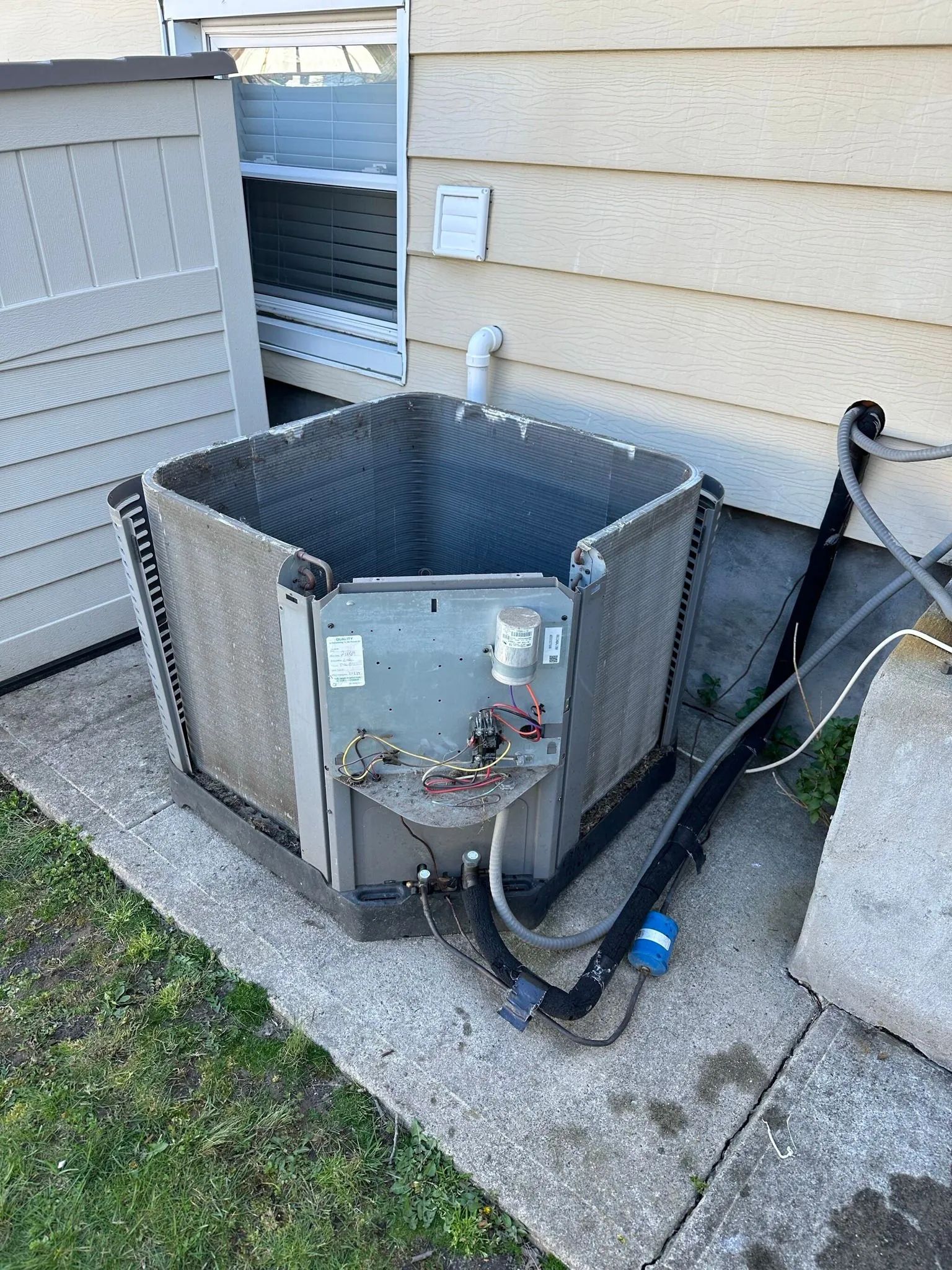
- Coil Cleaning: Condenser and evaporator coils accumulate dirt, impacting heat exchange.
- System Inspection: Checking electrical connections, refrigerant levels, and overall equipment health.
- Lubrication of Moving Parts: Ensures smooth operation and prevents wear and tear.
Cost Implications
While maintenance requires upfront investment, it prevents costly emergency repairs. Businesses that neglect routine maintenance often face expensive downtime and shortened equipment life. A proactive approach saves money in the long run, making maintenance plans a strategic financial decision.
Customizing Maintenance Plans to Business Needs
Assessing Equipment and Facility Requirements
Every commercial property has unique HVAC requirements based on its size, layout, and occupancy. Conducting a thorough assessment of equipment age, capacity, and operational load helps determine the frequency and type of maintenance needed. For example, high-traffic retail spaces may require monthly inspections, while smaller offices may need quarterly checks.
Flexible Scheduling Options
Customized maintenance plans allow businesses to choose schedules that minimize disruption. Options include:
- Seasonal Checks: Pre-season inspection and tune-ups before summer or winter.
- Monthly or Quarterly Service: Regular monitoring of equipment performance.
- Emergency Support Inclusion: Priority access to repair services in case of sudden breakdowns.
Budget-Friendly Approaches
Custom plans can accommodate businesses with varying financial constraints. For instance, smaller companies may opt for essential preventive maintenance with optional add-ons, while larger enterprises may invest in comprehensive coverage. This flexibility ensures that businesses of all sizes can maintain HVAC reliability without overspending.
Benefits of Tailored Maintenance Plans
Enhanced System Longevity
Customized maintenance extends the lifespan of commercial HVAC systems. By addressing issues early and scheduling regular tune-ups, businesses prevent premature component failure, reducing replacement costs. Real-world examples show that companies with tailored maintenance plans can extend equipment life by 25–30%.
Energy Efficiency and Cost Savings
A well-maintained HVAC system operates more efficiently, consuming less energy and lowering utility bills. Regular filter changes, coil cleaning, and calibration of thermostats prevent energy waste. Businesses that invest in tailored plans often report significant reductions in energy costs, particularly in facilities with high cooling or heating demands.
Improved Indoor Air Quality
For workplaces, indoor air quality directly affects employee health and productivity. Custom maintenance ensures proper ventilation, reduces allergens, and prevents mold growth, creating a healthier environment for staff and customers alike.
Reduced Downtime
Emergency HVAC failures can disrupt operations, causing lost productivity and revenue. Maintenance plans with scheduled inspections and priority response reduce unexpected breakdowns, ensuring continuous operation even in high-demand periods.
Real-World Scenarios and Case Studies
Scenario 1: Retail Chain Headquarters
A retail chain with multiple office locations implemented a custom maintenance plan, scheduling quarterly inspections and seasonal coil cleaning. As a result, energy costs decreased by 15%, and equipment lifespan increased by five years. The plan included budget-friendly options, allowing the chain to allocate funds efficiently across all locations.
Scenario 2: Manufacturing Facility
A large manufacturing plant experienced frequent HVAC failures, leading to production halts. After switching to a tailored maintenance plan with monthly inspections, emergency service coverage, and predictive component replacement, downtime decreased by 40%. The facility avoided expensive rush repairs and improved air quality for workers.
Scenario 3: Small Business Office
A small accounting firm opted for an essential maintenance package, focusing on filter replacements, thermostat calibration, and biannual inspections. The plan fit their budget while keeping HVAC performance stable. Staff reported improved comfort and fewer complaints about temperature fluctuations.
These examples highlight how custom plans can be scaled to business size and budget while delivering tangible benefits.
Best Practices for Developing a Maintenance Plan
Conduct a Detailed System Audit
Start by evaluating all HVAC equipment, including age, efficiency ratings, and maintenance history. Identify components at higher risk of failure to prioritize service intervals and budgeting.
Prioritize Preventive Maintenance
Preventive maintenance reduces the likelihood of breakdowns and prolongs system life. Establish clear service schedules and document all performed tasks to track equipment health over time.
Incorporate Predictive Technologies
Advanced systems with IoT sensors and remote monitoring allow businesses to predict maintenance needs before issues escalate. This approach reduces costs and enhances efficiency. For example, detecting refrigerant leaks early prevents compressor damage and energy waste.
Build Flexibility Into the Plan
Plans should allow adjustments as business needs evolve. Seasonal workload changes, occupancy fluctuations, or equipment upgrades should be reflected in the maintenance schedule and budget allocation.
Partner With a Reliable HVAC Provider
Selecting a knowledgeable HVAC service provider ensures quality execution of maintenance tasks. Experienced technicians can recommend cost-effective solutions, provide emergency support, and adjust plans to meet unique operational requirements.
Budgeting Tips for Commercial HVAC Maintenance
Understand the Total Cost of Ownership
When planning a maintenance budget, consider both direct and indirect costs, including:
- Routine inspections and servicing
- Replacement parts and consumables
- Emergency repairs and downtime losses
Understanding these factors helps businesses allocate resources effectively and avoid unexpected expenses.
Tiered Service Options
Offering tiered maintenance plans is an effective way to fit any budget:
- Basic Plan: Essential inspections, filter changes, and minor adjustments.
- Standard Plan: Includes comprehensive checks, coil cleaning, and minor repairs.
- Premium Plan: Full coverage with priority emergency response, predictive monitoring, and major component replacements.
Businesses can choose the plan that aligns with their operational needs and financial capacity while retaining the option to upgrade as needed.
Long-Term Savings
Investing in maintenance upfront saves money over time. Studies show that proactive maintenance can reduce energy bills by 10–20% and prevent unplanned capital expenses, providing a strong return on investment.
Financing and Flexible Payment Options
Some HVAC providers offer flexible payment structures for maintenance plans, such as monthly installments, seasonal payments, or bundled service packages. These options allow businesses to spread costs without compromising system reliability.
Challenges and How to Overcome Them
Common Obstacles
Businesses may face challenges such as:
- Limited budgets for comprehensive plans
- Lack of internal expertise to evaluate system needs
- Scheduling conflicts that disrupt operations
Strategies for Overcoming Challenges
- Prioritize High-Risk Equipment: Focus maintenance on components critical to operation.
- Leverage Expert Guidance: Consult with certified HVAC professionals to design efficient plans.
- Use Off-Peak Scheduling: Perform maintenance during non-peak hours to avoid disruptions.
By proactively addressing these challenges, businesses can implement effective maintenance strategies even within tight financial constraints.
The Role of Technology
Modern software platforms help track maintenance history, schedule tasks, and monitor system performance in real time. Utilizing technology minimizes human error, enhances efficiency, and supports data-driven decisions.
Building Resilient HVAC Systems With Expert Oversight
Maintaining a commercial HVAC system requires more than reactive fixes—it demands a proactive, strategic approach that aligns with a business’s operational needs and financial resources. Custom commercial HVAC maintenance plans are a practical solution, offering flexibility, cost control, and performance optimization. By tailoring service schedules, prioritizing preventive maintenance, and leveraging advanced monitoring technologies, businesses can protect their investment, improve energy efficiency, and maintain a comfortable indoor environment. Real-world examples demonstrate that even modest investments in tailored maintenance yield substantial returns, including reduced downtime, lower repair costs, and extended equipment longevity.
At J.P Heating And Cooling Services, we specialize in developing custom commercial HVAC maintenance plans that fit any budget. Located in Cedarhurst, New York, our team brings 6
years of hands-on experience serving businesses across diverse industries. We understand that no two facilities are the same, which is why we take a personalized approach to maintenance planning. Our technicians perform detailed system audits, recommend cost-effective solutions, and provide flexible scheduling to minimize disruption to your operations. By partnering with us, businesses gain a trusted ally dedicated to maximizing HVAC efficiency, reducing energy costs, and extending system lifespan. Whether you operate a small office, a retail space, or a large industrial facility, J.P Heating And Cooling Services
delivers reliable, professional, and budget-conscious maintenance solutions designed to keep your environment comfortable and operational year-round.