Do Ductless Mini-Splits Really Save Energy?
Heating and cooling a home efficiently has become a top priority for homeowners and businesses alike. Rising energy costs and growing awareness of environmental sustainability have pushed many property owners to explore alternatives to traditional HVAC systems. Among the options gaining popularity is the ductless mini-split system, a solution that promises flexibility, targeted climate control, and, most importantly, energy savings. But do these systems truly live up to their claims? Understanding their efficiency requires examining not only their technology but also how they are installed and used in real-world conditions.
Ductless mini-splits, also known as ductless heat pumps, offer a unique approach to temperature management. Unlike conventional central air systems that rely on extensive ductwork, mini-splits operate through compact indoor units connected to an outdoor compressor. This design eliminates duct losses, provides precise zone-based temperature control, and can reduce energy consumption when used correctly. Yet, the question remains: can these systems consistently lower energy bills and reduce environmental impact? In this article, we will explore the mechanics, benefits, challenges, and best practices of ductless mini-splits, helping homeowners make informed decisions about their next HVAC investment.
Understanding Ductless Mini-Splits
What is a Ductless Mini-Split?
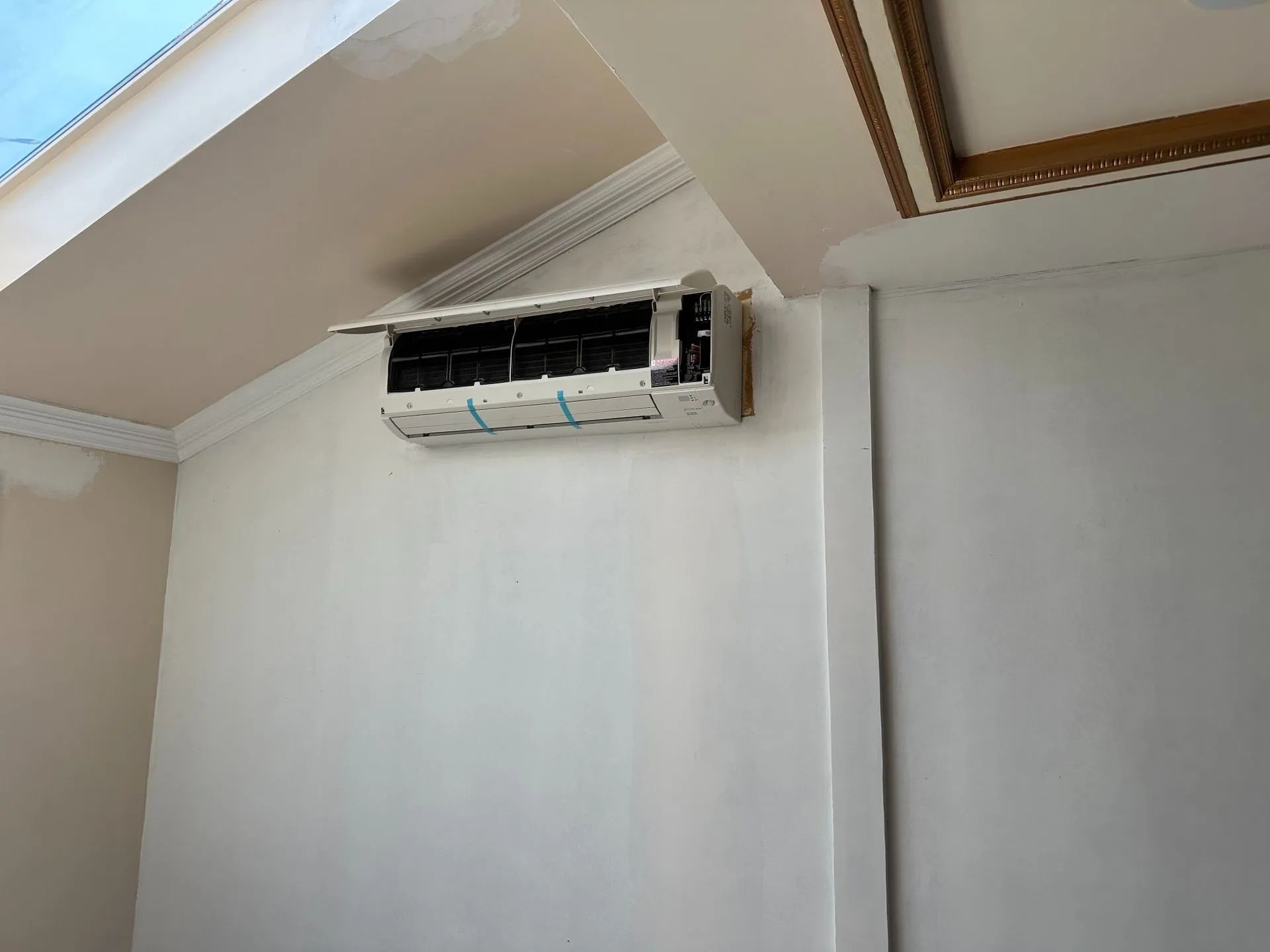
A ductless mini-split system is a type of HVAC technology that delivers heating and cooling without the need for conventional ducts. It typically consists of one outdoor condenser and one or more indoor air-handling units, allowing individual control of separate zones in a building. Each indoor unit has its thermostat, offering tailored comfort in specific rooms while avoiding energy wastage in unoccupied areas.
How It Differs from Traditional HVAC
Traditional HVAC systems rely on ductwork to distribute conditioned air throughout the home. However, duct losses can account for up to 30% of energy consumption, particularly in older homes with poorly insulated ducts. Ductless mini-splits bypass this inefficiency entirely, delivering conditioned air directly to the living space. Additionally, their inverter-driven compressors adjust speed according to demand, which reduces energy spikes and improves overall efficiency compared to conventional on-off systems.
Key Components That Improve Efficiency
The primary energy-saving components of a mini-split system include:
- Inverter technology: Adjusts compressor speed for precise energy usage.
- Zone-specific control: Ensures unoccupied rooms are not wasted energy.
- Heat pump functionality: Provides both heating and cooling, using less electricity than resistance heaters.
By understanding these components, homeowners can better assess whether a mini-split is an energy-efficient choice for their property.
Energy Efficiency in Real-World Scenarios
Reduced Duct Losses
In many homes, ductwork is poorly insulated or has leaks, causing conditioned air to escape before it reaches living spaces. Ductless systems eliminate this problem, delivering air directly into the room and significantly reducing energy loss. For example, a homeowner in an older New York residence might notice that heating their living room with a traditional system requires running the entire house's furnace, whereas a mini-split can heat the room directly, cutting overall energy usage.
Precise Zone Heating and Cooling
Ductless mini-splits allow for individual temperature control in different rooms. This feature is particularly beneficial in homes where family members have different comfort preferences or certain areas are rarely used. By only heating or cooling occupied rooms, users can avoid wasting energy on empty spaces. A practical scenario could be turning off the bedroom unit during the day while keeping the living area comfortable, leading to measurable reductions in electricity consumption.
Inverter-Driven Performance
Unlike traditional systems that cycle on and off at full capacity, inverter-driven mini-splits modulate their output to match the exact cooling or heating load. This results in steady energy use, fewer temperature swings, and reduced wear and tear on equipment. Real-world studies have shown that inverter mini-splits can use 25–30% less energy than conventional HVAC systems when properly sized and installed.
Energy Monitoring and Smart Controls
Modern ductless mini-splits often come with smart thermostats or app-based controls that allow users to monitor energy consumption and adjust settings remotely. This feature ensures that the system operates efficiently even when occupants are away, further enhancing energy savings.
Benefits Beyond Energy Savings
Lower Utility Bills
One of the most tangible benefits of ductless mini-splits is reduced monthly energy costs. By eliminating duct losses, optimizing energy use through inverter technology, and allowing targeted heating and cooling, homeowners often experience noticeable reductions in utility bills. For example, households in regions with cold winters and hot summers may see energy savings of 20–40% compared to older, conventional systems.
Enhanced Comfort and Air Quality
Ductless systems not only save energy but also improve indoor comfort. They provide consistent temperatures with less noise, and many models include advanced filtration systems that remove dust, allergens, and other airborne particles. This makes mini-splits an attractive option for families with allergy concerns or individuals sensitive to air quality.
Easy Installation and Flexibility
Installing a ductless mini-split is generally faster and less invasive than retrofitting ductwork in existing homes. The compact indoor units can be mounted on walls, ceilings, or floors, allowing for flexible placement without major structural changes. This ease of installation also makes mini-splits suitable for home additions, converted basements, or offices where traditional HVAC systems may be impractical.
Environmental Benefits
Because mini-splits are more energy-efficient, they contribute to reduced greenhouse gas emissions when compared to fossil-fuel-based heating systems or inefficient central air units. Homeowners aiming for sustainable living or seeking to earn energy certifications for their property can benefit from installing a ductless mini-split.
Challenges and Considerations
Upfront Costs
While ductless mini-splits can save money over time, the initial investment is typically higher than conventional HVAC systems. Prices vary depending on the number of zones, brand, and system capacity. For example, installing a multi-zone system in a large home may require several indoor units, increasing upfront expenses. However, long-term energy savings often offset this initial cost.
Proper Sizing and Placement
The efficiency of a ductless mini-split largely depends on correct sizing and installation. An undersized unit may struggle to maintain comfortable temperatures, while an oversized system can short-cycle, wasting energy. Similarly, improper placement of indoor units can result in uneven air distribution. Engaging a certified HVAC professional ensures optimal performance and energy savings.
Maintenance Requirements
Like all HVAC systems, mini-splits require regular maintenance to operate efficiently. Filters must be cleaned or replaced, condensate drains checked, and refrigerant levels monitored. Neglecting maintenance can reduce efficiency, increase energy bills, and shorten the system’s lifespan.
Limitations in Extreme Climates
Although mini-splits perform well in moderate climates, their efficiency can decrease in regions with extremely low or high temperatures. Heat pumps may struggle to extract sufficient heat from cold outdoor air or provide adequate cooling in extreme heat. In such cases, supplemental heating or cooling may be necessary, potentially affecting overall energy savings.
Best Practices for Maximizing Energy Savings
Smart Thermostat Settings
Using programmable or smart thermostats allows homeowners to create schedules that reduce energy use during periods of inactivity. For instance, lowering the temperature slightly during nighttime or while the house is empty can result in significant cost savings over a year.
Regular Maintenance
Maintaining the mini-split system ensures it continues to operate efficiently. Cleaning filters monthly, checking for obstructions, and scheduling professional inspections annually can prevent efficiency losses and prolong the system’s life.
Zoning Strategies
Homeowners should strategically use zoning to optimize energy savings. For example, prioritize cooling or heating areas with high occupancy while minimizing output to rarely used spaces. Combining zoning with motion sensors or smart controls can enhance efficiency further.
Insulation and Home Efficiency
Even the most efficient mini-split will struggle if the home is poorly insulated or has leaky windows and doors. Enhancing insulation, sealing air leaks, and upgrading windows complement the mini-split’s efficiency and contribute to long-term energy savings.
Educating Occupants
User behavior significantly affects energy consumption. Educating household members about optimal temperature settings, using blinds or curtains to manage solar gain, and avoiding unnecessary heating or cooling can maximize the benefits of a ductless mini-split system.
Essential Insights for Ductless Mini-Split Efficiency
Ductless mini-splits offer a compelling alternative to traditional HVAC systems, providing energy efficiency, precise temperature control, and enhanced indoor comfort. By eliminating duct losses, enabling zone-specific control, and utilizing inverter technology, these systems can significantly reduce energy consumption in residential and commercial settings. While they require an upfront investment and proper maintenance, the long-term benefits often outweigh initial costs. When paired with strategic home improvements, such as insulation and smart thermostat use, mini-splits can deliver measurable reductions in utility bills and a lower environmental footprint.
For residents of Cedarhurst and surrounding areas seeking expert guidance, J.P. Heating and Cooling Services is a trusted partner in HVAC solutions. With six years of hands-on experience, the team specializes in ductless mini-split installations, maintenance, and energy optimization. Our professionals provide tailored advice, ensuring systems are correctly sized, efficiently installed, and maintained for long-lasting performance. By choosing J.P. Heating and Cooling Services, homeowners gain a reliable, knowledgeable partner dedicated to maximizing comfort, energy savings, and overall system longevity.